Why Home Radon Testing Matters for York County Homeowners
When I bought my first home in York County, Pennsylvania, I did all the usual checks. I looked for cracks in the foundation, checked the roof age, and made sure the plumbing was sound. But there was one invisible threat I never thought about until a neighbor mentioned it: radon gas. Radon is a naturally occurring radioactive gas that comes from the decay of uranium in soil. It can seep into any building, and because you cannot see or smell it, the only way to know if it is present is through proper testing. For homeowners in this area, home radon testing is not just a box to check before a real estate sale. It is a basic step toward protecting your family’s health.
What Makes Radon a Concern in Pennsylvania
Pennsylvania has some of the highest radon levels in the country, and York County is no exception. The geology here includes granite and shale formations that release radon gas as they break down. The EPA estimates that nearly one in 15 homes nationwide has elevated radon levels, but in parts of Pennsylvania, that number can be much higher. The only way to know if your home is affected is to perform a radon test. Without testing, you are essentially guessing about a health risk that the EPA links to lung cancer. In fact, radon is the second leading cause of lung cancer in the United States, after smoking. That alone should make every homeowner consider home radon testing a priority.
The Basics of Radon Testing
There are two main types of radon tests: short-term and long-term. A short-term radon test typically lasts between two and seven days. These are often the first step because they give quick results. The most common short-term device is a charcoal canister. You place it in the lowest livable area of your home, usually the basement or a crawlspace, leave it for the required time, and then send it to a lab for analysis. Charcoal canisters are inexpensive and widely available, but they only capture a snapshot of radon levels. Because radon concentrations can vary day to day and season to season, a short-term test might not tell the whole story.
Long-term radon tests, on the other hand, last for 90 days or more. These give a more accurate picture of your home’s average radon exposure over time. They are better at accounting for seasonal changes and daily fluctuations. Many homeowners start with a short-term test and, if the results are borderline, follow up with a long-term test before making decisions about radon mitigation.
Choosing a Test Kit
You have several options when it comes to buying a test kit. You can pick up a charcoal canister from a local hardware store or order one online. You can also buy a continuous radon monitor, which is a digital device that plugs into a wall and gives ongoing readings. Continuous radon monitors are more expensive upfront, but they can be useful if you want to track changes over time or if you are planning major renovations. Many county health departments, including those in York County, offer discounted test kits or even free ones during certain campaigns. It is worth checking with your local county health department to see what is available.

Regardless of which type you choose, it is important to follow the instructions exactly. The test kit must be placed in a room where you spend a significant amount of time, like a basement rec room or a first-floor living area. Keep windows and doors closed as much as possible during the test period to get an accurate reading. Avoid placing the kit near drafts, heat sources, or high humidity, as these can skew the results.
What the Results Mean
When the results come back, they are measured in picocuries per liter of air. The EPA Action Level is 4 picocuries per liter. If your test shows a level at or above this number, the EPA recommends taking action to reduce radon levels. However, there is no truly safe level of radon. Even levels below the Action Level carry some risk, so many experts suggest considering radon mitigation if your test shows anything above 2 picocuries per liter. This is where professional radon testing can be helpful. A professional can perform a more detailed assessment and often uses calibrated continuous radon monitors for greater accuracy.
When to Test and How Often
If you have never tested your home, now is the time. The EPA recommends testing every two years, and also after any major structural changes to your home, such as finishing a basement or adding an addition. If you are buying or selling a home, a radon test is a standard part of many real estate transactions. But even if you are not moving, home radon testing should be part of your regular home maintenance routine. Radon levels can change over time as the ground shifts, as your home settles, or as you make changes to your heating and cooling systems.
What Happens If Radon Is High?
If your test shows high radon levels, do not panic. Radon mitigation is a proven and effective way to reduce radon entry. The most common method is sub-slab depressurization, sometimes called soil suction. This involves drilling a small hole in the basement floor, installing a pipe that runs from the soil below the slab up through the roof, and attaching a fan that creates negative pressure under the house. The fan pulls radon gas from the soil and vents it safely outside before it can enter your home. This system can reduce radon levels by 99 percent in most homes.
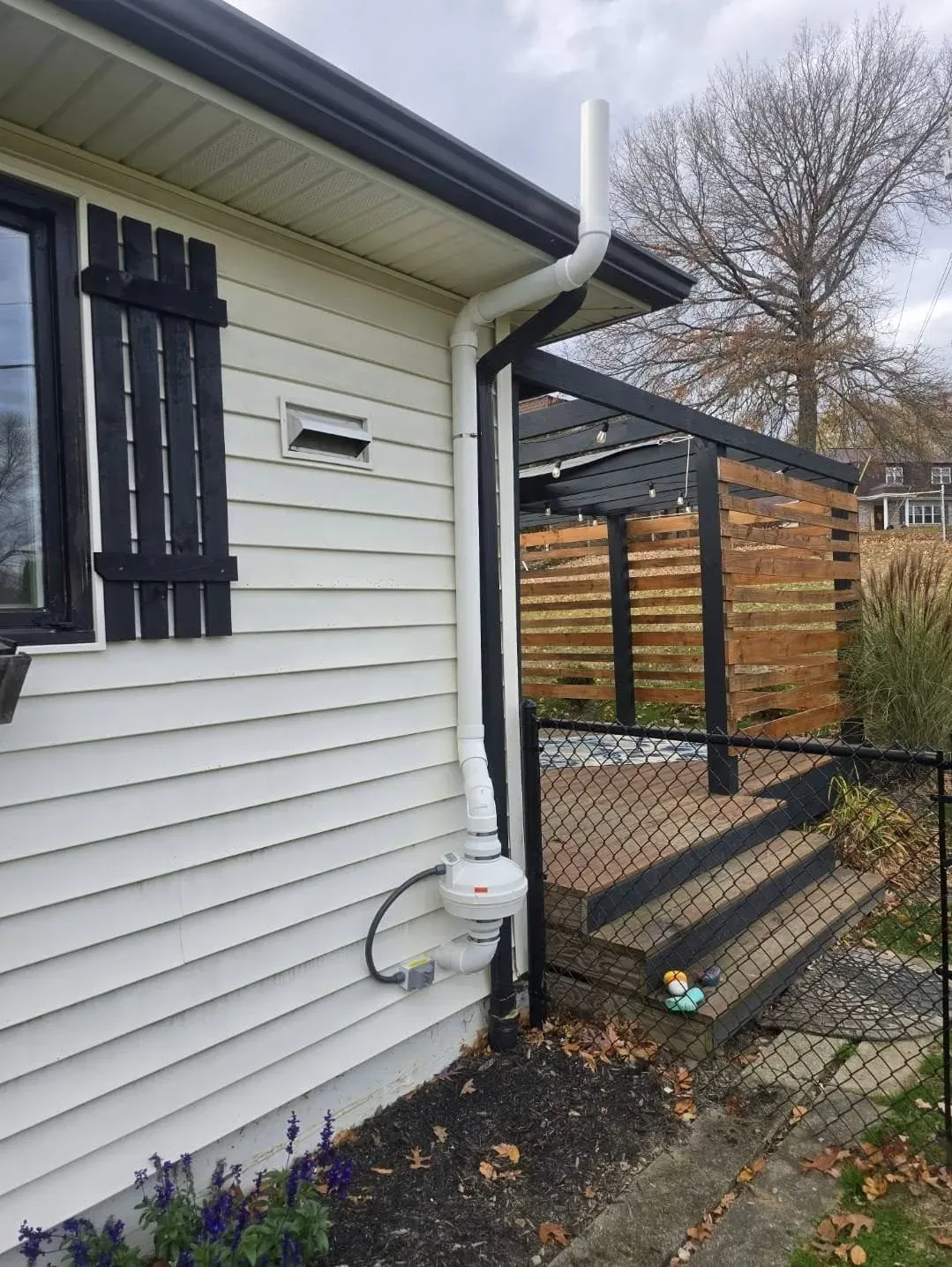
Other techniques include sealing cracks and openings in the foundation with a quality sealant, improving ventilation in crawlspaces, and installing a different type of soil suction system for homes with a crawlspace instead of a full basement. The right approach depends on your home’s construction, so it is best to work with a qualified radon mitigation contractor who can inspect your home and design a system that fits.
Maintaining Your Mitigation System
Once a radon mitigation system is in place, it needs occasional maintenance. The fan should run continuously, and you should check it periodically to make sure it is operating. Some systems include a manometer, a small gauge that shows whether the fan is creating enough suction. If you ever notice the gauge reading low, or if you hear unusual noise from the system, call a professional to inspect it. Retesting after installation is also important to confirm that radon levels have dropped below the Action Level.
The Role of Professional Radon Testing
While do-it-yourself test kits are a good starting point, there are times when professional radon testing makes sense. For instance, if you are buying a home and the short-term test comes back borderline, a professional can perform a more rigorous test that meets industry standards. Professionals use calibrated continuous radon monitors that record readings over several days and provide a detailed report. This can give you greater confidence before making a large investment. Also, if you already have a mitigation system and want to verify it is working, a professional test is the most reliable method.
For homeowners in York County, the combination of DIY home radon testing and follow-up professional testing provides a complete picture. It is not an either-or situation. Start with a simple test kit to see if you have a problem. If you do, then bring in a professional for confirmation and to guide the radon mitigation process. This stepwise approach saves money while still protecting your health.

Practical Takeaways
If you are ready to test your home for radon, here are a few practical steps to follow:
- Start with a short-term radon test using a charcoal canister or a continuous radon monitor. Place it in the lowest livable area of your home.
- Keep windows and doors closed during the test period, and avoid placing the device in bathrooms or kitchens where humidity can affect the reading.
- If the result is at or above 4 picocuries per liter, follow up with a long-term test or call a professional for a more detailed assessment.
- If radon levels are high, consider sub-slab depressurization or another mitigation method installed by a qualified contractor.
- Retest after mitigation to make sure the system is working, and test again every two years to monitor changes.
Final Thoughts
Radon is a serious health hazard, but it is also a manageable one. The first step is awareness, and that begins with home radon testing. For families living in York County and throughout Pennsylvania, testing your home is one of the most important things you can do to ensure your indoor air is safe. The test kits are affordable, the process is simple, and the peace of mind is invaluable. Do not wait until a real estate transaction forces the issue. Take control of your home’s air quality today. A few days of testing could save you and your family from years of unnecessary risk.